
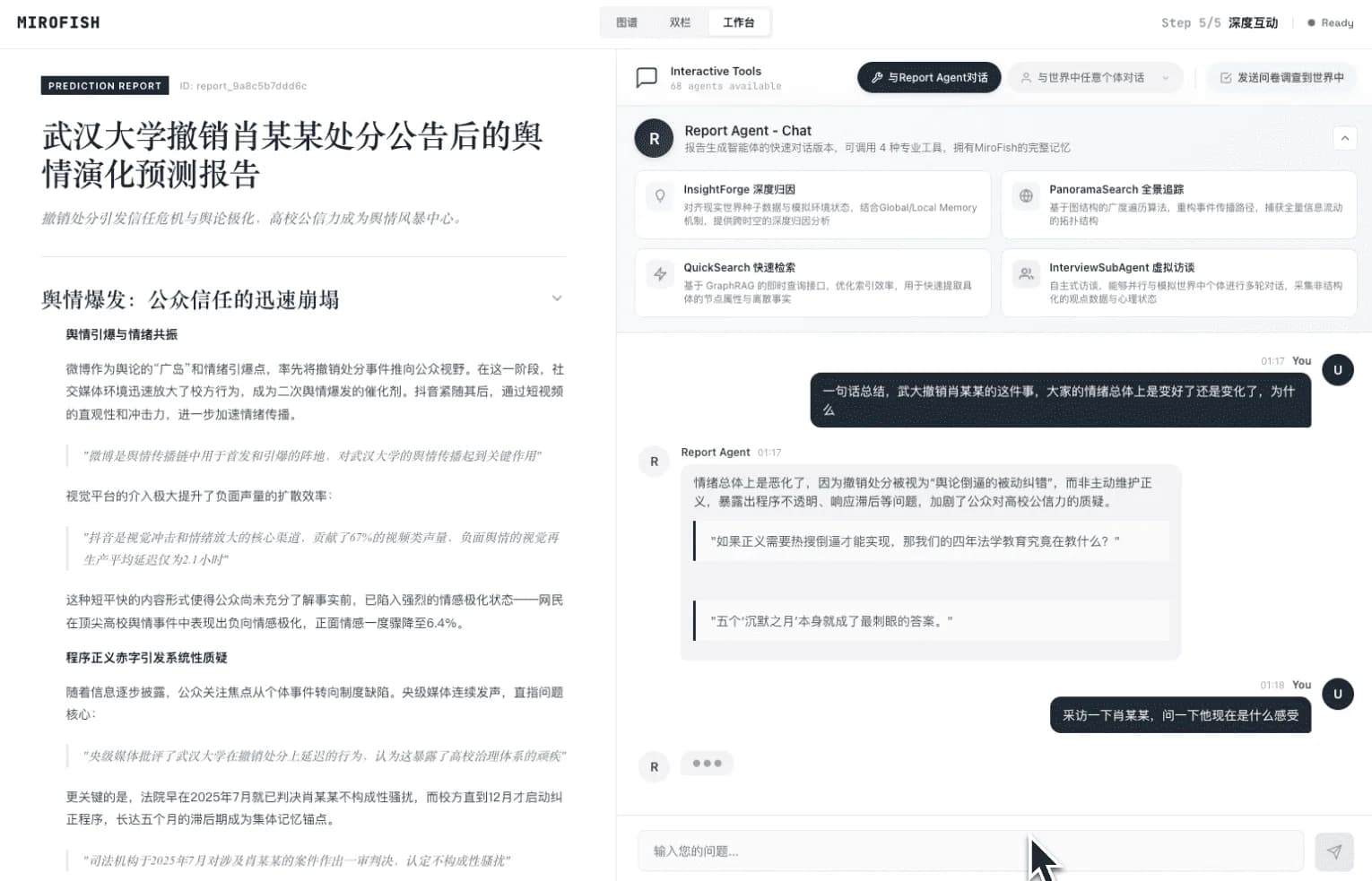
To run a stakeholder pre-mortem with AI, define the decision and a specific failure state, assemble current stakeholder evidence, model only the necessary actors and relationships, run multiple reaction rounds, audit every important claim, and convert the results into validation questions and mitigations. Treat the output as a structured hypothesis set—not a forecast, representative consultation, or substitute for accountable human review.
Frame the exercise
What is a stakeholder pre-mortem?
It is a prospective exercise that assumes a decision failed and asks which stakeholder reactions, relationships, or overlooked constraints could have contributed.
Unlike a general risk brainstorm, the exercise anchors each failure path to an affected actor, an influence mechanism, and observable evidence. The failure state should be concrete—for example, adoption stalls after a support automation rollout because managers and frontline staff receive conflicting incentives.
Ground the actors
What evidence should the pre-mortem use?
Use the most current decision documents, stakeholder research, organizational constraints, and disagreement already visible in the real system.
- Decision memo, options considered, owners, timeline, resources, and success criteria.
- Stakeholder interviews, meeting notes, support themes, policies, prior change outcomes, and open questions.
- Known authority, informal influence, dependencies, incentives, constraints, and communication channels.
- Evidence provenance, date, confidence, access controls, and information that must not enter the model.
Six-step workflow
How do you run a stakeholder pre-mortem with AI?
Use six reviewable steps that separate evidence, assumptions, generated reactions, and the human validation plan.
- 1
Define the decision and failure state
Write the proposed action, time horizon, affected outcome, and a concrete way the initiative could fail.
- 2
Build a source packet
Collect current evidence and label what is known, disputed, inferred, missing, or sensitive.
- 3
Select actors and relationships
Model the minimum roles needed to represent authority, impact, implementation, influence, and potential blockage.
- 4
Run multiple reaction rounds
Test announcement, interpretation, coordination, escalation, implementation, and adaptation rather than a one-shot response.
- 5
Audit the report
Trace consequential claims to sources, reject invented precision, compare alternative explanations, and note missing stakeholders.
- 6
Create validation and mitigation actions
Assign a real-world question, evidence owner, mitigation, decision threshold, and due date to each high-impact hypothesis.
Actor design
Which stakeholders should the simulation include?
Include roles that decide, implement, experience, influence, constrain, or can credibly block the decision—without turning every audience segment into a persona.
| Role | Question to model | Evidence to seek |
|---|---|---|
| Decision owner | What trade-off will they defend? | Decision memo and success criteria |
| Implementer | What creates workload or ambiguity? | Process, capacity, and operating constraints |
| Affected group | What changes in practice or perceived risk? | Interviews, behavior, complaints, and needs |
| Influencer or blocker | How can they amplify, delay, or redirect action? | Authority, relationships, precedent, and channels |
Report audit
How should teams review the generated failure paths?
Score each path by evidence strength, potential impact, reversibility, detectability, and the cost of validating it—not by how vivid the generated narrative sounds.
- Can the claim be traced to a current source, or is it a model inference?
- Does the path depend on a stereotype, an absent actor, or an untested relationship?
- What observation would falsify the claim before rollout?
- Who owns the stakeholder conversation, experiment, or operational check?
- Which mitigation is reversible and useful across several plausible scenarios?
Human validation
What should happen after the AI pre-mortem?
Teams should validate high-impact hypotheses with affected stakeholders, revise the decision and communication plan, and retain an auditable record of what changed.
Do not use generated objections as evidence that a real group supports or opposes a change. The exercise is complete only when its important uncertainties become owned validation actions or explicitly accepted risks.
Simulation is not a representative survey or a deterministic forecast.
MiroFish output is designed for hypothesis generation, scenario stress testing, and research preparation. Do not present generated actors, dialogue, percentages, or reaction paths as observations from real customers or a statistically representative population.
Wake-up zone
What are the key takeaways?
- Define a concrete failure state before generating reactions.
- Separate source evidence, analyst assumptions, and AI-generated hypotheses.
- Rank failure paths by evidence and decision impact, not narrative fluency.
- Finish with named validation owners, mitigation actions, thresholds, and dates.
Frequently asked questions
What should teams know before using this method?
How is a stakeholder pre-mortem different from risk analysis?
Risk analysis catalogs risks broadly. A stakeholder pre-mortem focuses on how actor incentives, interpretations, relationships, and responses could contribute to a defined failure.
Can a pre-mortem use confidential documents?
Only under your organization's approved data handling and model-use rules. Minimize sensitive data, remove unnecessary identifiers, and preserve access and retention controls.
How many scenarios should a team run?
Run enough alternatives to challenge the dominant story, including at least one different framing or actor assumption. Repetition alone does not establish probability.
What is the final deliverable?
A useful deliverable lists plausible failure paths, evidence strength, missing information, validation questions, mitigation options, owners, thresholds, and due dates.
Primary research to review
Run the rehearsal
Find the stakeholder questions your decision plan has not answered.
Use a bounded failure state and current evidence to create an inspectable pre-mortem and validation checklist.
Rehearse a strategic decisionContinue the cluster